2 July 2026, 7 PM
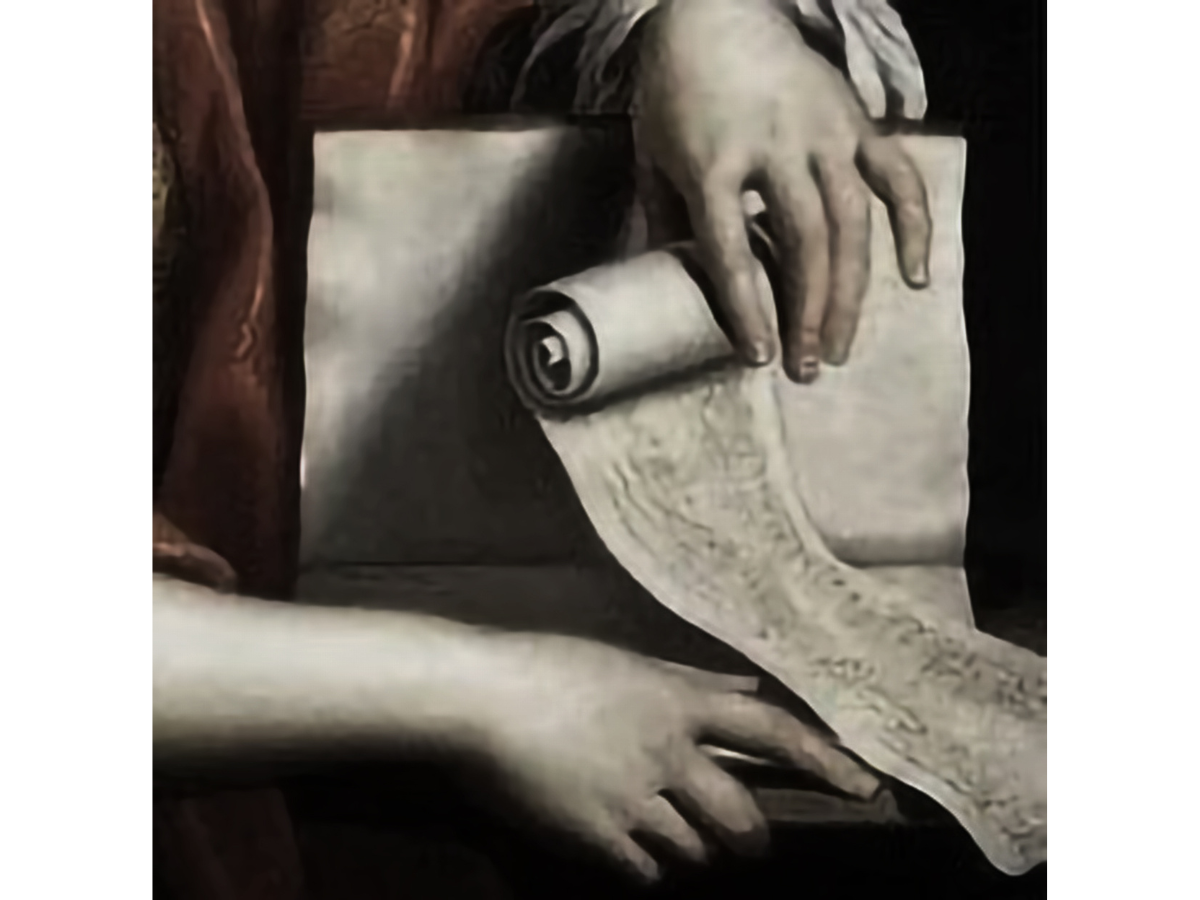
Luzie Meyer’s performative reading Besaid, bedone combines text fragments with sound elements. Together, they form an associative exploration of the mourning aria “Che si può fare”—meaning “What can one do?”—by the Italian Baroque composer Barbara Strozzi. Drawing on the motif of ruin, the title describes the decline of a possible future; it refers to the inability to act or to hope. The artist takes up this mood and speculatively approaches Strozzi’s lived reality. The artist picks up on this mood and takes a speculative approach to Strozzi’s perceived reality of life, which here is characterized by dystopia, corruption, and an apocalyptic atmosphere. The present and the Baroque intertwine through the complaint song, which Meyer has broken down into fragments, re-recorded, and altered.
While the original revolves around the experience of pain and decline through constant repetitions, the performance transposes these feelings into the present: into a time when cultural spaces are closing, infrastructures are crumbling, and the climate is collapsing. Luzie Meyer marks this historical upheaval by describing decay from a personal perspective; it remains unclear, however, whether this perspective belongs to Meyer or to Strozzi—a figure whose status as the only female composer in 17th-century Venetian high society was precarious and dependent on patrons. By oscillating between essay and poem, the texts open up a space that seeks possibilities for self-determined action.
2 July 2026, 7 PM
Luzie Meyer’s performative reading Besaid, bedone combines text fragments with sound elements. Together, they form an associative exploration of the mourning aria “Che si può fare”—meaning “What can one do?”—by the Italian Baroque composer Barbara Strozzi. Drawing on the motif of ruin, the title describes the decline of a possible future; it refers to the inability to act or to hope. The artist takes up this mood and speculatively approaches Strozzi’s lived reality. The artist picks up on this mood and takes a speculative approach to Strozzi’s perceived reality of life, which here is characterized by dystopia, corruption, and an apocalyptic atmosphere. The present and the Baroque intertwine through the complaint song, which Meyer has broken down into fragments, re-recorded, and altered.
While the original revolves around the experience of pain and decline through constant repetitions, the performance transposes these feelings into the present: into a time when cultural spaces are closing, infrastructures are crumbling, and the climate is collapsing. Luzie Meyer marks this historical upheaval by describing decay from a personal perspective; it remains unclear, however, whether this perspective belongs to Meyer or to Strozzi—a figure whose status as the only female composer in 17th-century Venetian high society was precarious and dependent on patrons. By oscillating between essay and poem, the texts open up a space that seeks possibilities for self-determined action.