Performative reading: Besaid, bedone

2 July 2026, 7 PM

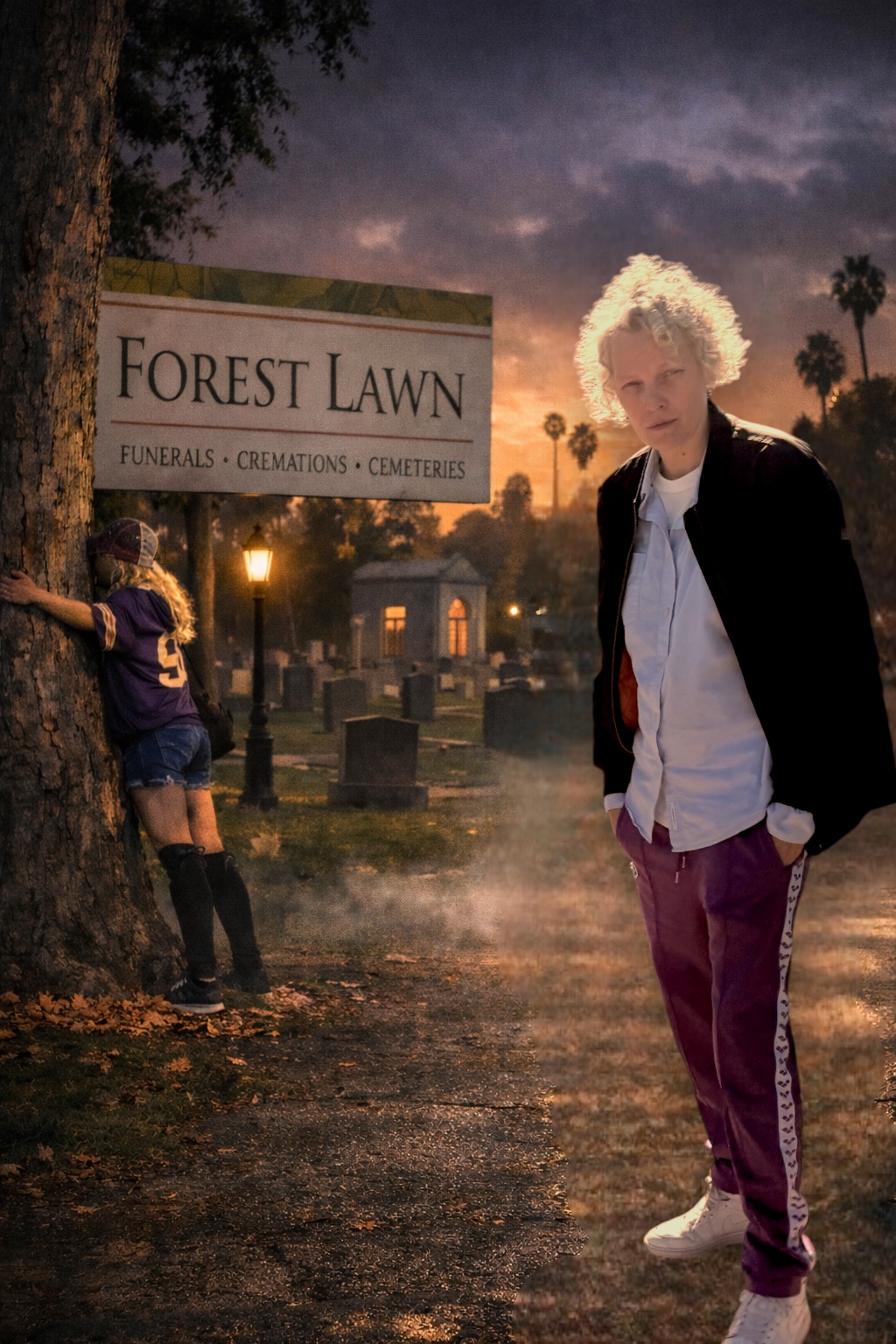
Luzie Meyer’s performative reading Besaid, bedone combines text fragments with sound elements. Together, they form an associative exploration of the mourning aria “Che si può fare”—meaning “What can one do?”—by the Italian Baroque composer Barbara Strozzi. Drawing on the motif of ruin, the title describes the decline of a possible future; it refers to the inability to act or to hope. The artist takes up this mood and speculatively approaches Strozzi’s lived reality. The artist picks up on this mood and takes a speculative approach to Strozzi’s perceived reality of life, which here is characterized by dystopia, corruption, and an apocalyptic atmosphere. The present and the Baroque intertwine through the complaint song, which Meyer has broken down into fragments, re-recorded, and altered.

While the original revolves around the experience of pain and decline through constant repetitions, the performance transposes these feelings into the present: into a time when cultural spaces are closing, infrastructures are crumbling, and the climate is collapsing. Luzie Meyer marks this historical upheaval by describing decay from a personal perspective; it remains unclear, however, whether this perspective belongs to Meyer or to Strozzi—a figure whose status as the only female composer in 17th-century Venetian high society was precarious and dependent on patrons. By oscillating between essay and poem, the texts open up a space that seeks possibilities for self-determined action.

Program

Performative reading: Besaid, bedone

Courtesy the artist

2 July 2026, 7 PM Luzie Meyer’s performative reading Besaid, bedone combines text fragments with sound elements. Together, they form an associative exploration of the mourning aria “Che si può fare”—meaning “What can one do?”—by the Italian Baroque composer Barbara Strozzi. Drawing on the motif of ruin, the title describes the decline of a possible Performative reading: Besaid, bedone

DISSOLUTIONS—Mooni Perry

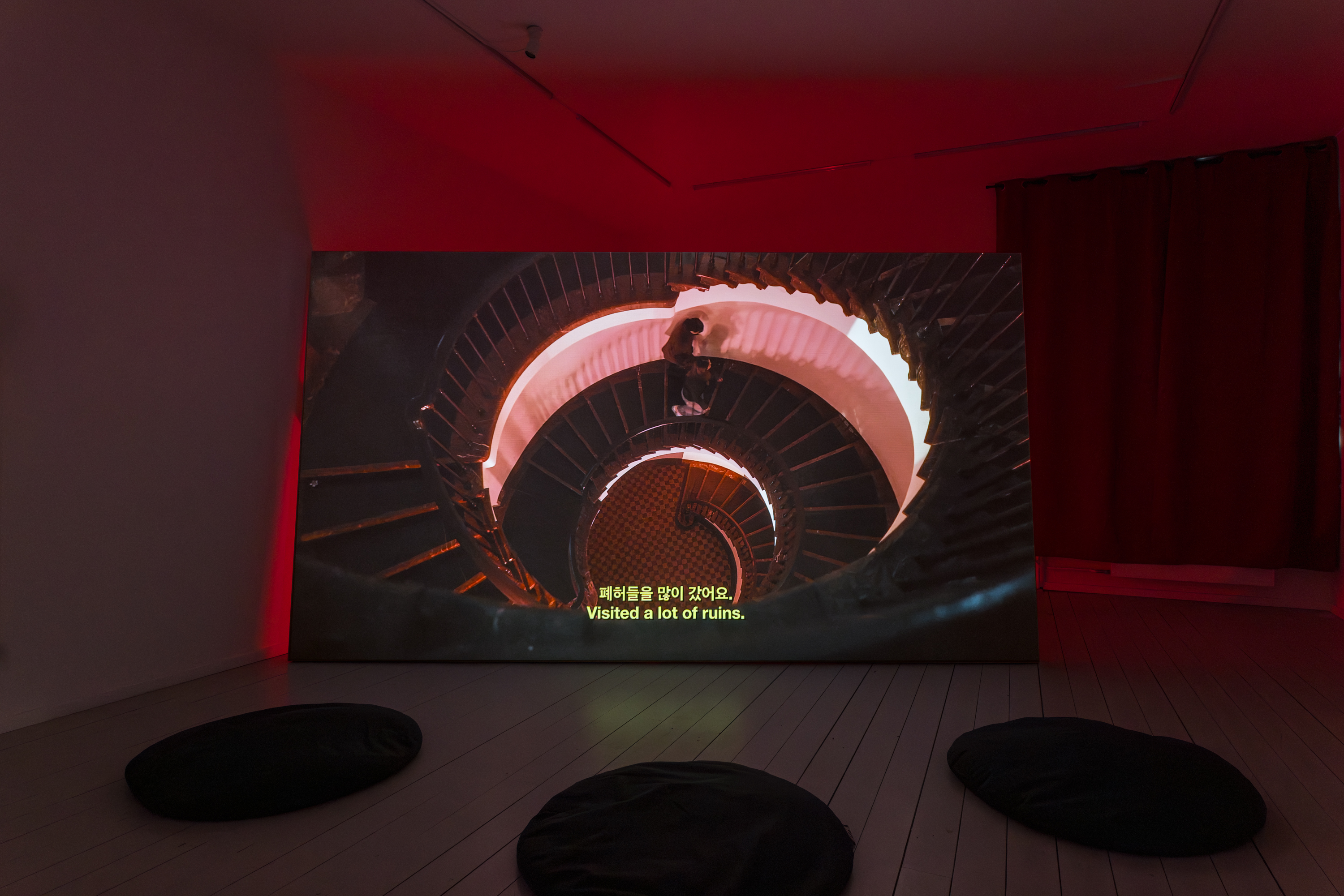
At the core of artist and filmmaker Mooni Perry‘s solo show is the video installation EL (2025), which will be presented in Europe for the first time. Influenced by feminist and speculative readings of East Asian cosmologies, the exhibition takes the form of a hotel lingering between memory and oblivion. Perry takes as her starting DISSOLUTIONS—Mooni Perry

Screening and Talk: Afterlives (2025) & In the Wake of Unbelonging (2025)

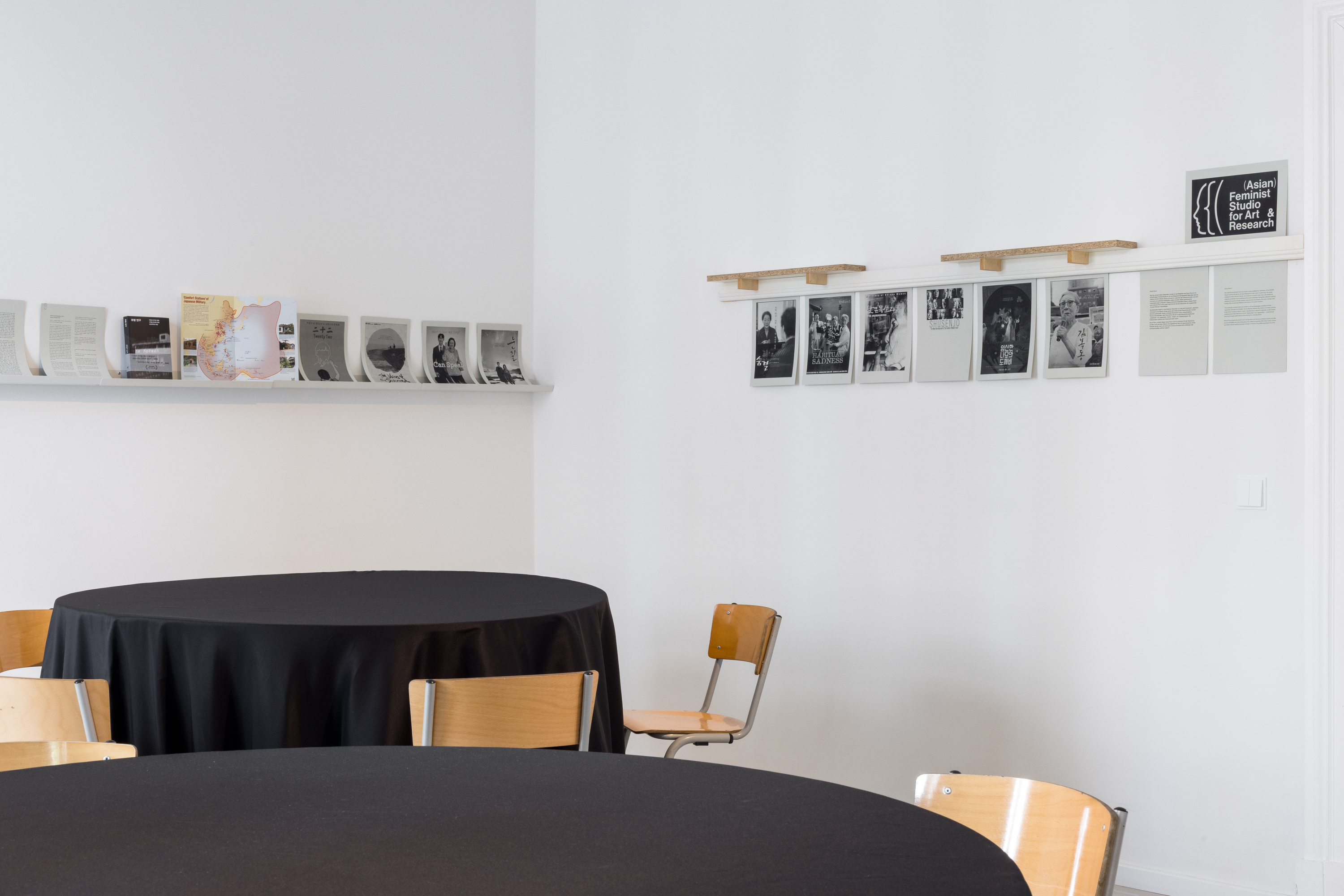
26.6. – 28.06.2026: Screening (through the entire weekend) 26.6.2026: 7 PM, Screening:Montika Kham-on, Afterlives (2025, 19:06 min)Hanwen Zhang, In the Wake of Unbelonging (2025, 16:10 min) 8 PM, Talk: Montika Kham-on, Asian Feminist Studio for Art and Research (AFSAR, Hanwen Zhang, Mooni Perry) The videos Afterlives (2025) by Montika Kham-on and In the Wake of Screening and Talk: Afterlives (2025) & In the Wake of Unbelonging (2025)

Reading Group: Haunted Potentials

June 26, 2026: 5:00–6:30 pm If you are interested in joining the reading group, please register via info@kunstraummitte.berlin. As part of the annual program DISSOLUTIONS, Haunted Potentials invites participants to two gatherings that take the form of an open reading group, combining artistic research, theory, and collective exchange. DISSOLUTIONS approaches the world as a future Reading Group: Haunted Potentials

DISSOLUTIONS Sequence I

DISSOLUTIONS Sequence I 7 February – 10 May 2026Opening 6 February 2026, 6 – 9 PM DISSOLUTIONS uses the principle of dissolution and evaporation to counter rampant capitalism and the solidification of power imbalances. As a result, the artists in the annual program do not show attempts at rescue, but rather demonstrate the decisive disintegration DISSOLUTIONS Sequence I

DISSOLUTIONS—Johannes Büttner, Catherina Cramer

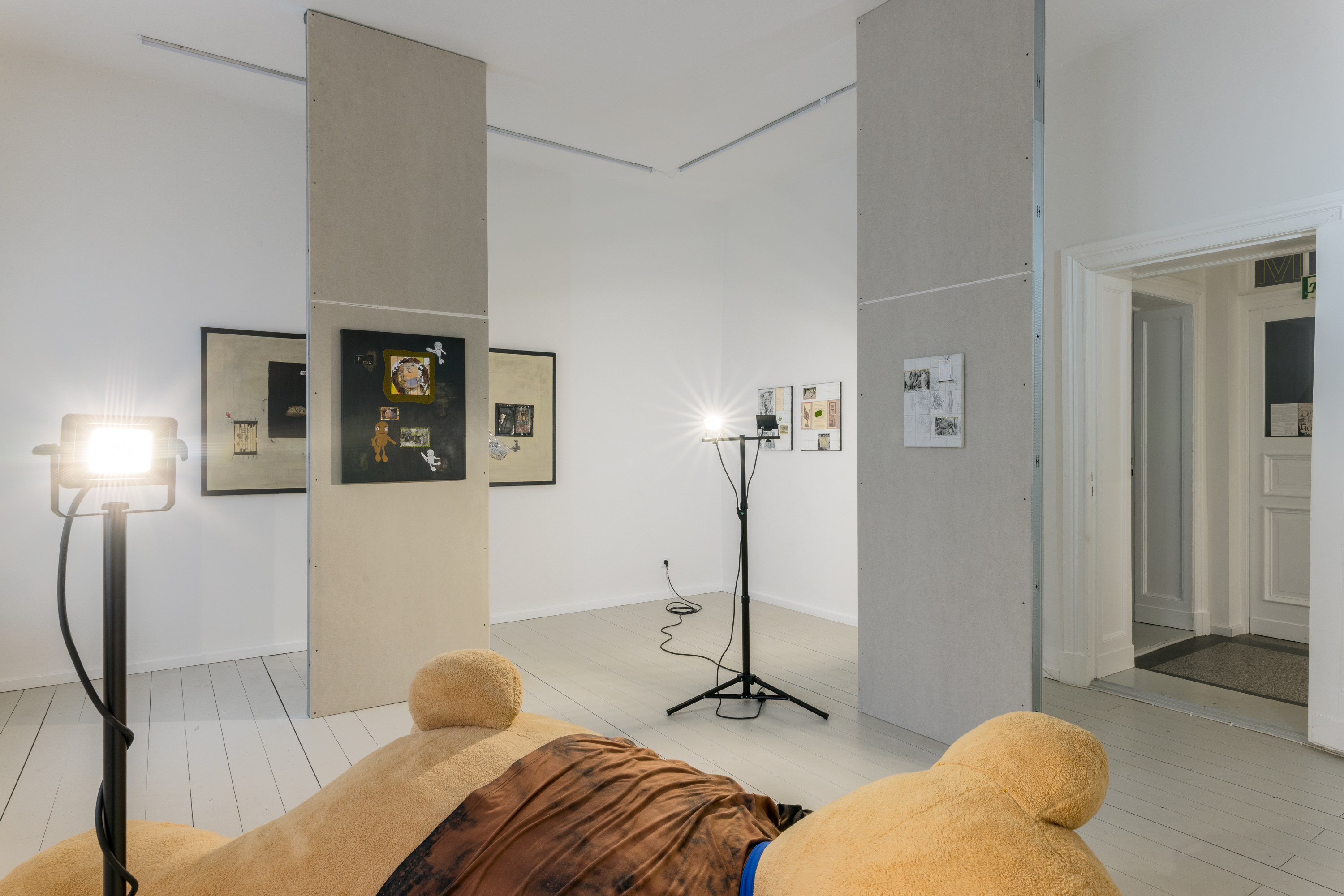
In their duo exhibition, Catherina Cramer and Johannes Büttner create expansive worlds move between the abysmal nature of neoliberal exploitation—which is especially evident due to current cultural policy austerity measures—and the imaginations of possible counterworlds. Since 2024, the exhibition venue’s archival material has been continuously recontextualized, revealing its own transience of use, sorting, and disorder—thus DISSOLUTIONS—Johannes Büttner, Catherina Cramer

DISSOLUTIONS Sequence II

DISSOLUTIONS Sequence II 23 May – 4 October 2026Opening 22 May 2026, 6 – 9 PM The second sequence of the annual program DISSOLUTIONS begins on May 22 with a solo exhibition by artist and filmmaker Mooni Perry. For the first time, the video installation EL (2025) will be presented in Europe. Inspired by feminist DISSOLUTIONS Sequence II

Paul Sonntag: NOTHING REMAINS AND NOTHING DISAPPEARS (Screening)

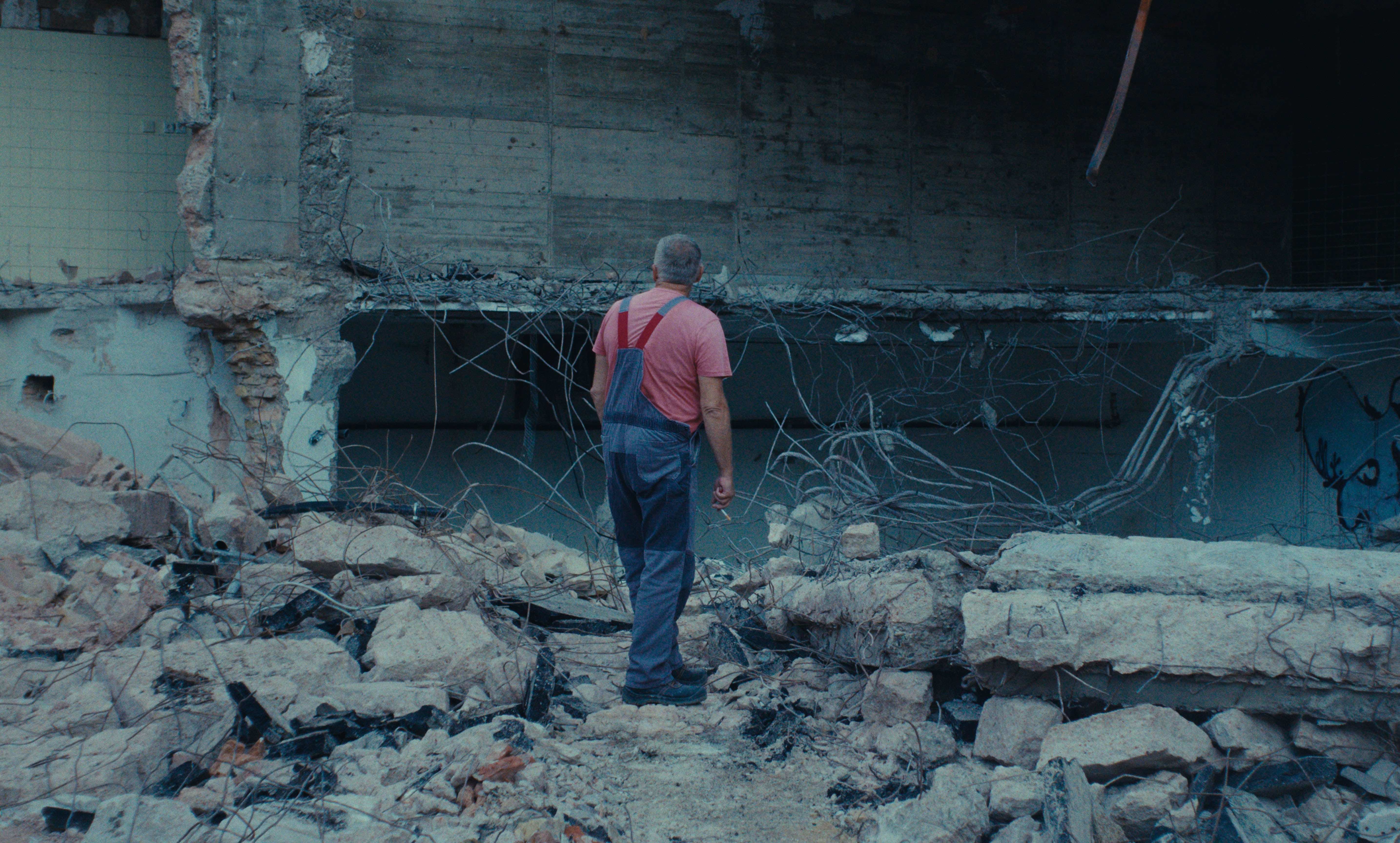
Filmstill, NICHTS BLEIBT UND NICHTS VERSCHWINDET © Paul Sonntag

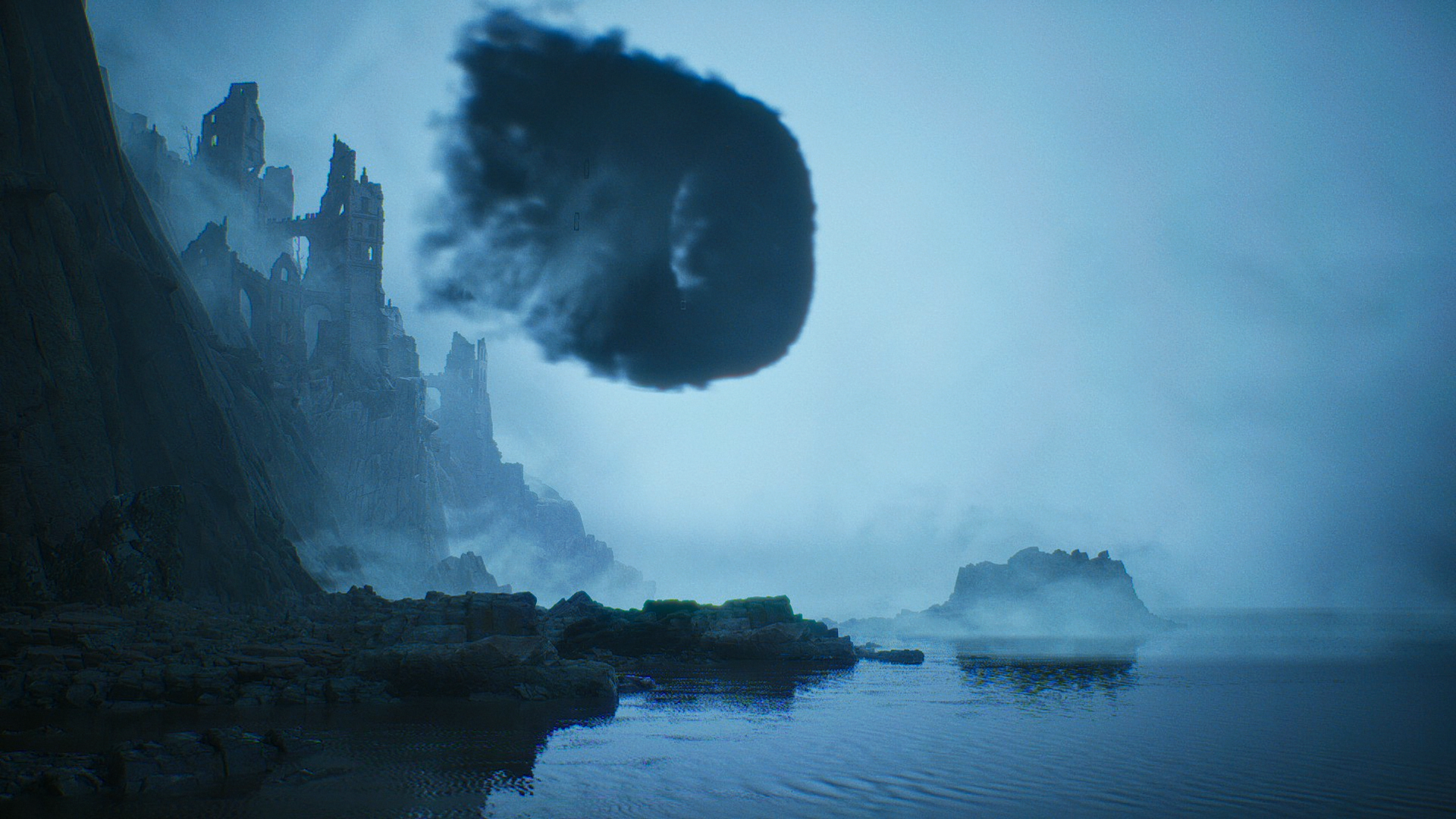
Paul Sonntag’s film NOTHING REMAINS AND NOTHING DISAPPEARS (2026) is a detailed long-term observation of a Berlin street corner where a supermarket closes and a café opens. The film makes this seemingly insignificant place the protagonist — and with it, raises the question of how consumerism shapes urban space by exploiting and changing it simultaneously. Paul Sonntag: NOTHING REMAINS AND NOTHING DISAPPEARS (Screening)